Introduction
Pressure is unavoidable. The difference is how you respond when it arrives. Christopher Spurling Resilience is not about pretending pressure does not affect you. It is about turning pressure into structure, then turning that structure into purpose-driven action. When pressure hits, it exposes what is solid and what is fragile. It removes excuses and forces honesty. It also creates an opening for real growth, if you know how to use it.
Most people treat pressure like a threat. They try to escape it, avoid it, or wait for it to pass. That approach keeps them stuck. Pressure is not always a warning sign. Often, it is a signal that you are standing at the edge of a new level of responsibility. When you learn to interpret pressure correctly, it becomes fuel rather than friction.
Pressure is not the enemy
Pressure often gets labelled as stress, chaos, or something negative that needs to be eliminated. But pressure also shows up when you are doing meaningful work. It shows up when you are building something real, committing to standards, or taking ownership of outcomes.
Pressure is also honest. It does not care about motivation. It does not care about confidence. It forces you to confront your habits and your preparation. That is why people who chase comfort struggle when the pace increases. Comfort does not train decision-making. Comfort does not develop steadiness.
Christopher Spurling Resilience begins with a mindset shift. You stop asking, “How do I remove pressure?” and you start asking, “What is this pressure trying to show me?”
Resilience starts with mental strength
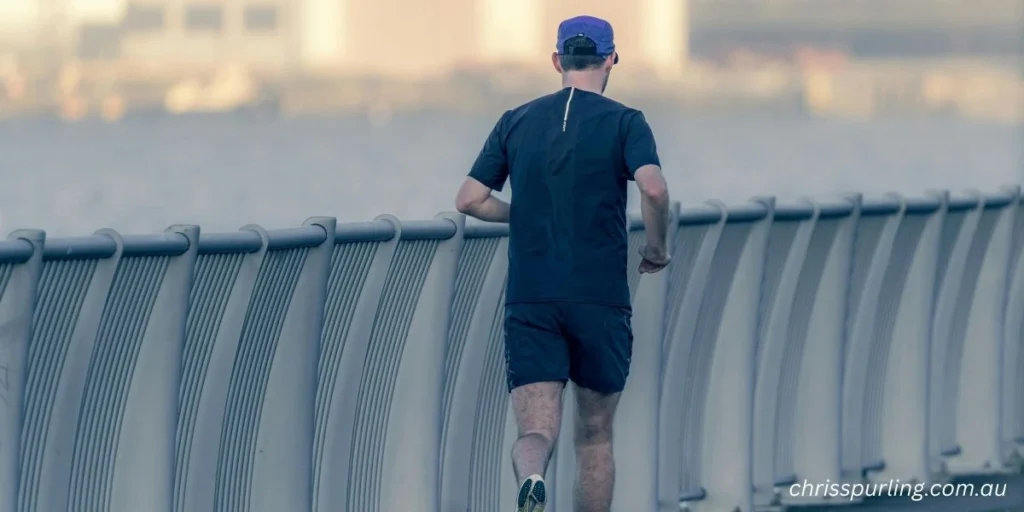
Before pressure becomes purpose, it becomes a mental test. Pressure creates noise in the mind. It amplifies doubt, impatience, defensiveness, and urgency. If you respond from that noise, you make decisions that feel good in the moment and cost you later.
Resilience is built by creating space between the pressure and the response. That space is where clarity lives. It is also where discipline begins.
This is why developing mental strength matters. Mental strength is not pretending you are fine. It is keeping your standards while your emotions fluctuate. It is staying clear-headed when the situation is messy. It is pausing long enough to choose a better response.
When pressure rises, mental strength creates a simple advantage. You respond rather than react.
The difference between pressure and panic
Pressure can be useful. Panic is rarely useful.
Pressure says, “Something matters here.” Panic says, “Everything is collapsing.”
One is information. The other is distortion.
When people panic, they rush decisions, avoid accountability, or seek quick relief. They become unpredictable. They stop thinking long-term. They lower standards to reduce discomfort.
Christopher Spurling Resilience is built by staying rational in high-emotion moments. That does not mean you feel nothing. It means you do not let feelings drive the steering wheel.
A practical way to separate pressure from panic is to ask:
- What is actually happening right now, without the story I am adding?
- What is within my control today?
- What action would I respect myself for doing, even if it is uncomfortable?
Those questions pull you back into responsibility, which is where resilience grows.
Discipline turns pressure into progress

Pressure without structure becomes anxiety. Pressure with structure becomes direction. Discipline is the bridge.
When pressure hits, discipline gives you a playbook. It keeps you moving when motivation is unreliable. It reduces decision fatigue. It protects your standards when your emotions are loud.
This is where discipline stops being a personal-growth buzzword and becomes a real advantage. Discipline is not intensity. It is consistency. It is doing what needs to be done, especially when the day feels heavy.
When people rely on motivation, pressure crushes them because motivation collapses under stress. When people rely on discipline, pressure sharpens them because discipline creates stability.
Christopher Spurling Resilience is not built through occasional breakthroughs. It is built through consistent execution under strain.
Failure is often pressure in disguise
Pressure tends to show up alongside failure, setbacks, rejection, and uncertainty. Those experiences can either break you or refine you. The deciding factor is whether you use them as feedback.
A setback is not always proof you are not capable. Sometimes it is proof your system needs work. Sometimes it is proof your priorities are unclear. Sometimes it is proof you need stronger boundaries, better routines, or better decision-making.
That growth mindset is explored clearly in failure to growth. Failure becomes useful when you extract the lesson. It becomes damaging when you avoid the lesson and repeat the pattern.
Christopher Spurling Resilience is about refusing to waste pressure. If a setback is painful, it should at least be productive.
Purpose gives pressure meaning

Pressure feels unbearable when it has no meaning. The same workload can feel heavy or energising depending on why you are doing it.
Purpose is what transforms pressure from suffering into significance. Purpose does not remove discomfort. It gives discomfort direction.
When purpose is clear:
- You tolerate short-term stress because the long-term outcome matters
- You make better trade-offs because you know what you are protecting
- You stop chasing distractions because you know what you are building
This is why purpose is not a soft concept. It is a discipline tool. It keeps you steady when pressure tries to pull you into urgency and chaos.
Christopher Spurling Resilience becomes sustainable when it is attached to purpose, not ego. Ego wants quick validation. Purpose is willing to grow slowly and properly.
Turning pressure into purpose in real life
This is what the shift looks like in practice.
- Name the pressure clearly
Pressure grows when it stays vague. Identify what is actually creating the tension. Is it a deadline, a financial demand, a relationship issue, or a standard you are avoiding? - Remove the drama, keep the responsibility
Pressure often feels bigger because people add stories to it. Focus on what is true and what you can do next. - Return to structure
When pressure rises, people abandon routines. That makes the situation worse. Keep the basics stable. Sleep, training, planning, and execution. - Decide what this pressure is shaping in you
Pressure can build patience, courage, leadership, restraint, and clarity. If it is going to hurt, let it improve you. - Attach it to purpose
Ask what this pressure is preparing you for. Pressure is often a training ground for a bigger responsibility you have not grown into yet.
Psychology research supports this idea that reframing stress can improve performance and resilience, which is explained in the American Psychological Association’s overview of stress and the body.
Final reflection
Christopher Spurling Resilience is not built when life is calm. It is built when pressure forces you to choose who you are going to be. Pressure can push you into panic, or it can push you into purpose. The difference is mental strength, discipline, and a clear reason for why you are showing up.
If pressure is present, it usually means something matters. It means you are being tested, refined, or prepared.
You do not need a pressure-free life.
You need a stronger structure.
That is how pressure becomes purpose.
That is how Christopher Spurling Resilience is built.
Start with your mind. Train it daily. Guard it fiercely. Learn more about resilience, clarity, and mental strength in the Chris Spurling Mindset Guide.
Your growth does not stop here.
Explore the Growth Hub for more lessons, stories and actions that build real change.
Go to the Growth Hub