Introduction
The Chris Spurling discipline tips matter most when progress feels slow and effort does not yet show results. These are the moments when consistency is tested, not when motivation is high or momentum feels effortless.
Discipline is not about intensity. It is about reliability. When progress feels delayed, discipline keeps you aligned with your standards instead of reacting emotionally or quitting too early.
This article shares practical discipline tips that help you stay consistent when progress feels slow, using principles that reflect the Chris Spurling discipline tips and support long-term growth.

1. Redefine discipline as commitment, not pressure
Discipline often breaks down when it is treated as punishment. When discipline feels heavy, it becomes something people resist rather than rely on.
A more sustainable approach is to treat discipline as commitment. It is the decision to honor the standards you set for yourself, even when results take time to appear. Discipline rooted in commitment feels steady instead of forced.
This way of thinking is closely connected to building inner stability. Developing strong mental strength helps you remain consistent when doubt shows up and motivation fades.
2. Focus on long-term discipline instead of short-term feedback
Slow progress becomes discouraging when attention is fixed on immediate results. Humans naturally seek fast feedback, but meaningful progress rarely works that way.
The Chris Spurling discipline tips emphasize shifting focus toward long-term outcomes. Discipline works quietly before it becomes visible. Consistency compounds even when progress feels flat.
This perspective is reinforced through long-term discipline for sustainable success, where progress is built through patience and repeated effort rather than quick wins.
3. Use mental discipline to stay consistent through uncertainty
When progress slows, uncertainty grows. You begin questioning whether your effort is worth it or whether you should change direction. Discipline supported by mental strength prevents this uncertainty from turning into inconsistency.
Mental discipline allows you to continue showing up without needing constant reassurance. You separate effort from outcome and stay steady even when confidence dips.
Discipline and mindset work together. When both are strong, slow progress feels manageable instead of discouraging.
For a research-backed guide on staying consistent under stress and building self-regulation, the American Psychological Association has a helpful resource on building your resilience.
4. Anchor discipline to physical habits that reinforce consistency
Discipline becomes harder to maintain when physical habits are neglected. Your body has a direct impact on your ability to stay consistent.
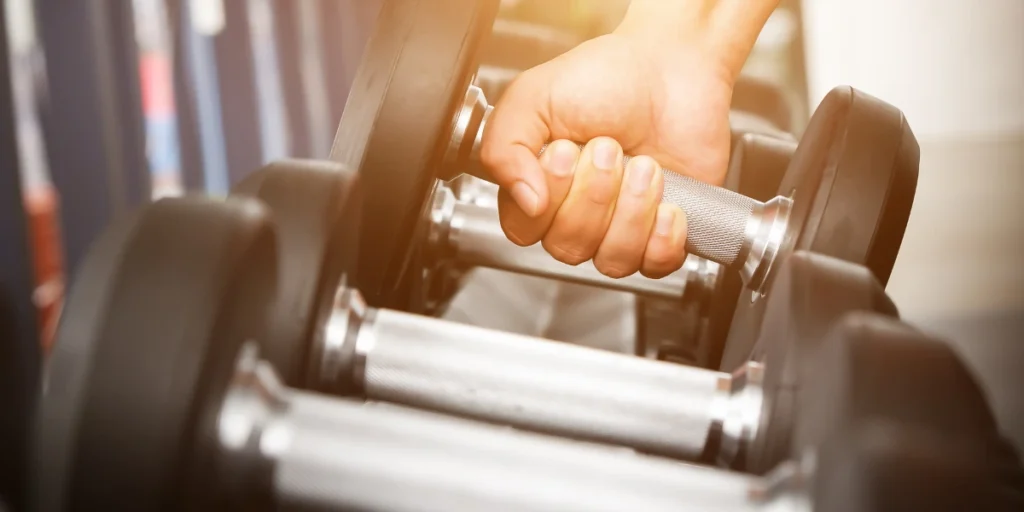
Fitness teaches patience, repetition, and delayed gratification. Progress in training is rarely immediate, which makes it a powerful training ground for discipline.
This connection becomes clear when you look at how fitness habits support discipline and consistency. Physical routines strengthen mental follow-through across all areas of life.
5. Build discipline that fits your real environment
Discipline often fails when it is built for an ideal version of life rather than the one you are actually living. Slow progress feels heavier when expectations do not match reality.
The Chris Spurling discipline tips emphasize adapting discipline to your environment, responsibilities, and current season. Sustainable discipline adjusts without disappearing.
Environment shapes behavior. This becomes especially clear when discipline is viewed through a real-world lens, such as how discipline develops within the Brisbane environment, where consistency is influenced by lifestyle, community, and long-term responsibility.
Why Chris Spurling discipline tips work when progress feels slow
Slow progress is not a signal to stop. It is a test of discipline.
The Chris Spurling discipline tips work because they emphasize commitment over pressure, long-term consistency over short-term feedback, mental resilience over emotion, physical habits over motivation, and real-life environments over ideal conditions.
When discipline is built this way, consistency becomes part of identity rather than something you constantly struggle to maintain.
The Chris Spurling discipline tips are not about pushing harder. They are about staying steady until progress catches up to effort.
Discipline is built in the small moments. Show up daily. Do the work even when it’s hard. Learn how to build consistency and self-control in the Chris Spurling Discipline Guide.
Your growth does not stop here.
Explore the Growth Hub for more lessons, stories and actions that build real change.
Go to the Growth Hub