Introduction
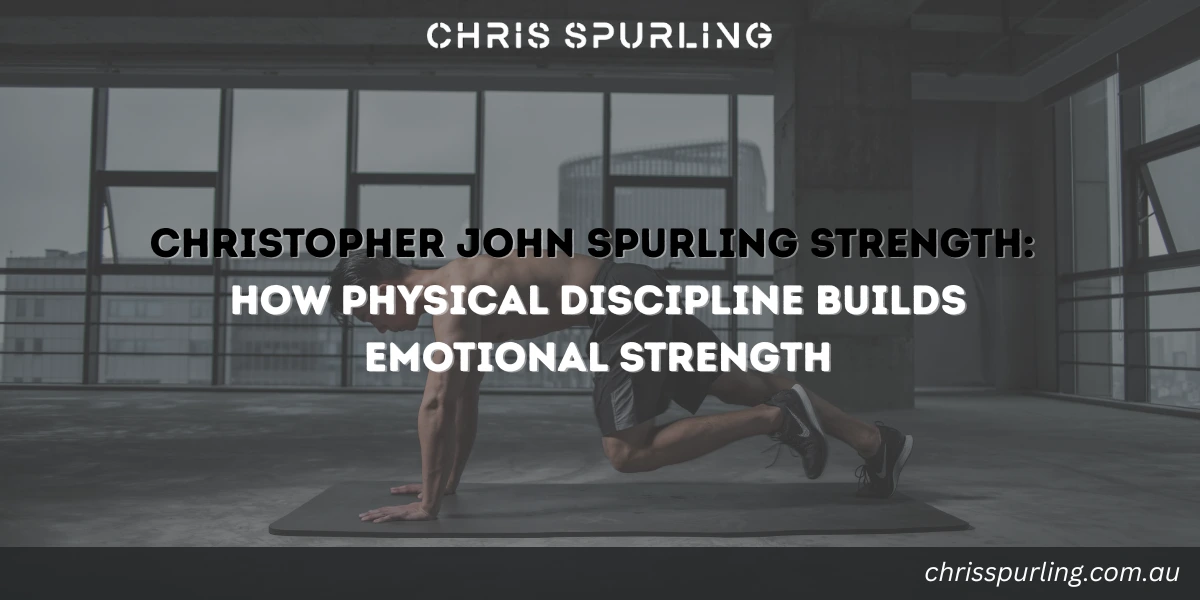
The foundation of Christopher John Spurling Strength is built through physical discipline. Emotional strength is often discussed as a mental skill, but it is deeply influenced by how the body is trained, challenged, and regulated. Physical discipline creates structure that strengthens emotional control, resilience, and self-trust.
When physical effort is consistent, emotional responses become more stable. The body learns tolerance for discomfort, and the mind follows. Over time, this relationship builds strength that extends beyond training and into daily decision-making.
This article explores how physical discipline builds emotional strength and why the Christopher John Spurling Strength approach connects fitness, adversity, and discipline into a sustainable system for growth.
Physical discipline trains emotional regulation
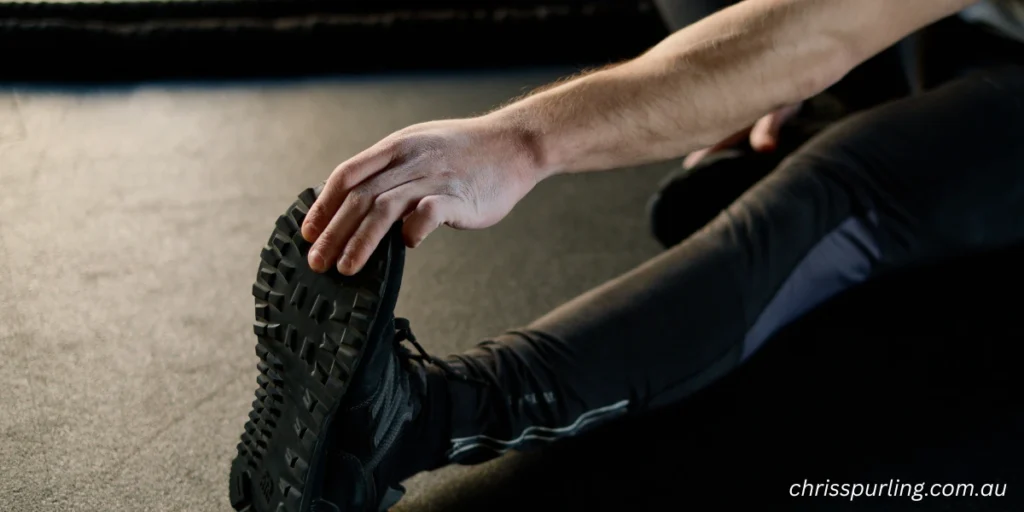
Physical training exposes the body to controlled stress. This stress teaches regulation rather than avoidance.
During physical effort:
- Discomfort must be managed
- Breathing must be controlled
- Focus must be maintained
- Emotion must be regulated
These skills transfer directly into emotional strength. When the body learns to stay calm under strain, the mind develops the same capacity.
This connection is reinforced through fitness mindset built through discipline. Emotional control improves when physical effort is approached with intention rather than force.
Christopher John Spurling Strength treats emotional regulation as a trained skill, not an inherent trait.
Consistent training builds resilience through repetition

Resilience is built through repetition, not intensity. Showing up consistently trains the nervous system to recover and adapt.
Physical discipline strengthens resilience by:
- Normalizing effort
- Reducing fear of discomfort
- Improving recovery capacity
- Building tolerance for challenge
Consistency teaches the mind that stress is survivable. This lesson reduces emotional reactivity in non-physical situations.
Christopher John Spurling Strength emphasizes consistency as the pathway to resilience.
Adversity strengthens emotional strength when processed physically
Physical discipline creates a safe environment to experience adversity. Training challenges mirror life challenges in controlled form.
Adversity during training:
- Tests commitment
- Reveals emotional triggers
- Requires persistence
- Encourages adaptation
This process aligns with mindset strengthened through adversity. Emotional strength grows when adversity is faced deliberately rather than avoided.
Christopher John Spurling Strength uses physical challenge as a tool for emotional growth.
Physical routine builds self-trust
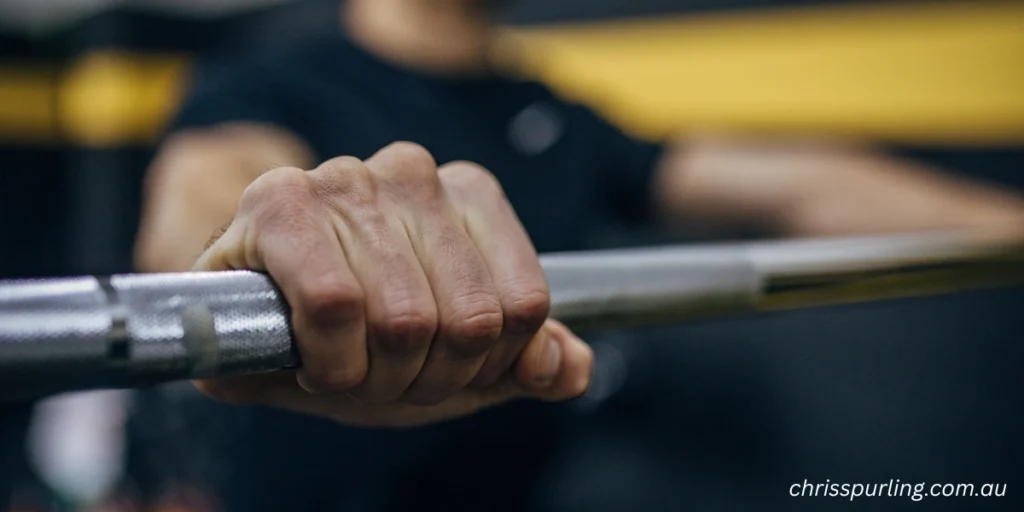
Self-trust is built through follow-through. Physical discipline provides daily opportunities to prove reliability.
Each completed session reinforces:
- Commitment
- Consistency
- Accountability
- Confidence
Over time, self-trust reduces emotional instability. Individuals become less reactive because they trust their ability to handle discomfort and uncertainty.
Christopher John Spurling Strength views self-trust as the foundation of emotional resilience.
Emotional strength grows when discipline replaces motivation
Motivation fluctuates. Discipline remains.
Physical training teaches individuals to act regardless of mood. This lesson carries into emotional situations where reaction would otherwise dominate.
Discipline supports emotional strength by:
- Reducing impulsive behavior
- Encouraging pause before reaction
- Reinforcing structure during stress
- Maintaining effort without emotional reliance
This discipline-based approach is reinforced through strength built through showing up consistently. Emotional stability improves when actions are guided by discipline rather than emotion.
Christopher John Spurling Strength treats discipline as emotional scaffolding.
Physical strength supports mental clarity
Physical health influences emotional state. When the body is trained consistently, energy regulation improves.
Improved physical condition supports:
- Better sleep
- Reduced stress response
- Increased focus
- Greater emotional balance
These factors combine to strengthen emotional clarity.
Christopher John Spurling Strength integrates physical health as a prerequisite for emotional regulation.
Structure protects emotional energy
Unstructured effort drains emotional energy. Physical discipline introduces structure that conserves mental resources.
Structured training:
- Reduces decision fatigue
- Creates predictability
- Supports routine
- Encourages recovery
Emotional strength improves when energy is not wasted on constant decision-making.
Christopher John Spurling Strength emphasizes structure as protection against burnout.
Recovery strengthens emotional resilience
Recovery is part of discipline. Without recovery, physical effort becomes counterproductive.
Recovery supports emotional strength by
- Preventing exhaustion
- Stabilizing mood
- Improving resilience
- Preserving consistency
Emotional strength weakens when recovery is ignored.
Christopher John Spurling Strength integrates rest as a strategic component of discipline.
Why physical discipline strengthens Christopher John Spurling Strength
The Christopher John Spurling Strength framework works because it links physical effort to emotional regulation.
This approach:
- Builds emotional strength through controlled stress
- Strengthens resilience through consistency
- Develops self-trust through follow-through
- Stabilizes emotions through structure
- Supports long-term sustainability
Physical discipline becomes emotional training.
Research supports this connection. Studies on exercise and mental health show that regular physical activity improves emotional regulation, stress tolerance, and psychological resilience.
Emotional strength built through physical discipline
Emotional strength is not achieved through avoidance. It is built through exposure, regulation, and recovery.
The Christopher John Spurling Strength approach shows that physical discipline provides a practical pathway to emotional resilience. When the body is trained consistently, the mind learns to remain steady under pressure.
Strength develops quietly through repetition. Emotional stability follows physical commitment. Growth becomes sustainable when discipline is embodied rather than imagined.
Your body supports everything you pursue. Train with intent. Recover with discipline. Learn how strength, health, and performance work together in the Chris Spurling Fitness & Health Guide.
Your growth does not stop here.
Explore the Growth Hub for more lessons, stories and actions that build real change.
Go to the Growth Hub